How to Master the Art of Making Gourmet Food Gifts Appealing to Non-Foodies
Giving a gift can be an act of love, but when that gift involves food—especially something described as "gourmet"—it can sometimes feel like throwing someone into deep end of culinary waters. The recipient might adore artisanal sourdough and truffle oil, but if they are more the type who prefers reliable peanut butter sandwiches, your thoughtful selection could land flat. This is a common gifting dilemma that trips up even the most enthusiastic gift-givers. But fear not! With strategic planning and an understanding of universal tastes, you can navigate this tricky terrain. This comprehensive guide will walk you through the psychology, presentation strategies, and product choices needed for making gourmet food gifts appealing to non-foodies, ensuring your thoughtful gesture is received with delight, not bewildered confusion.
Understanding the Non-Foodie Palate: It's Not About Taste, It's About Experience
Before diving into specific products, we must understand why a gift might fail. For many people who identify as "non-foodies," gourmet food doesn't just mean complex flavors; it often means complexity and intimidation. The word "gourmet" can sound like a foreign language whispered by overly sophisticated sommeliers. Our goal is to take Find more info the elements of high quality and luxury and wrap them in layers of familiarity, joy, and simplicity.
Shifting Focus from Flavor Profile to Presentation
The most critical shift you can make when making gourmet food gifts appealing to non-foodies is to change what the gift is. It shouldn't feel like a test or an assignment. Instead, focus on the aesthetic experience. Food items should look beautiful enough that someone might display them before they even open them—like miniature works of art.
- Visual Appeal: Choose packaging that is clean, rustic, and inviting. Bright colors, elegant ribbons, or natural twine can elevate humble products.
- The "Low Commitment" Factor: The gift should not require the recipient to cook a complex meal immediately. It needs to be easily consumable in small doses, like opening a lovely little box of fancy crackers with cheese and a glass of wine (or sparkling cider).
- Thinking Outside the Box: Sometimes the best presentation involves grouping items that are not technically food but enhance the experience—think high-end kitchen towels, nice charcuterie boards, or elegant cocktail glasses.
The Psychology of Familiarity: Grounding the Exotic
To overcome initial hesitation, ground the exotic flavors in familiar comfort zones. If you're giving specialty olives, pair them with a creamy dip they recognize. If you're gifting fancy mustard, bundle it with high-quality bread and butter—items that feel safe and reliable. The gourmet element becomes an upgrade to a beloved staple, rather than a complete departure from it.
Selecting Safe Bets: Gourmet Products for the Unadventurous Palate
When in doubt, think universal. While everyone has preferences, there are certain categories of high-quality consumables that tend to cross most taste boundaries. These items act as golden tickets into the world of fine dining without requiring the recipient to be a trained oenophile or charcuterie expert.
Edible Treats That Are Always a Winner
The safest and often most successful route is through pure, simple pleasure: packaged sweets and snacks that look fancy but taste comforting. This is where you are playing it safe, and safety is key when making gourmet food gifts appealing to non-foodies.
- Artisan Chocolates: High-quality chocolate is almost universally loved. Look for brands that offer unique flavor pairings (like sea salt caramel or raspberry ganache) but maintain a familiar structure.
- Gourmet Popcorn/Mixes: Elevate the classic movie snack. Consider truffle popcorn, spiced pecans, or sophisticated trail mixes packaged beautifully.
- Fancy Jams and Honey: These are versatile staples. A jar of lavender honey or spiced fig jam feels luxurious but is immediately useful on toast or in yogurt.
Savory Staples: The "Dip-and-Dunk" Principle
If you want to go savory, keep it simple and dip-friendly. This minimizes the need for preparation skills and maximizes immediate enjoyment. Instead of gifting a complex dry-cured meat assortment that requires wine pairing knowledge, focus on dips, spreads, and dipping vehicles.

For example:
- A jar of high-quality hummus paired with artisanal pita chips.
- A sophisticated cheese spread (like sundried tomato or herb goat cheese) and gourmet crackers.
- Marinated vegetable skewers that require no assembly.
Mastering the Art of Storytelling Through Your Gift
The best gifts tell a story, and your narrative needs to address potential skepticism upfront. Don't just hand over a box; curate an experience. Think of yourself as a culinary tour guide leading someone through a delightful, low-stakes adventure.
Anecdotally, I once gifted a friend who was notoriously suspicious of fancy foods a small collection of single-origin coffee beans with notes explaining the process—the altitude they were grown at, or the specific region's climate. Because the story was so compelling (and required no actual eating skills), the gift was received not as "fancy stuff," but as an educational treasure.
A quote often used in culinary arts reminds us that "The best food is a conversation." Your packaging and accompanying notes are your conversational opening lines. Include a small card suggesting three ways to enjoy the contents: “Perfect with a movie night,” or “Ideal for a picnic on a sunny afternoon.” This anchors the gift in accessible, everyday life.
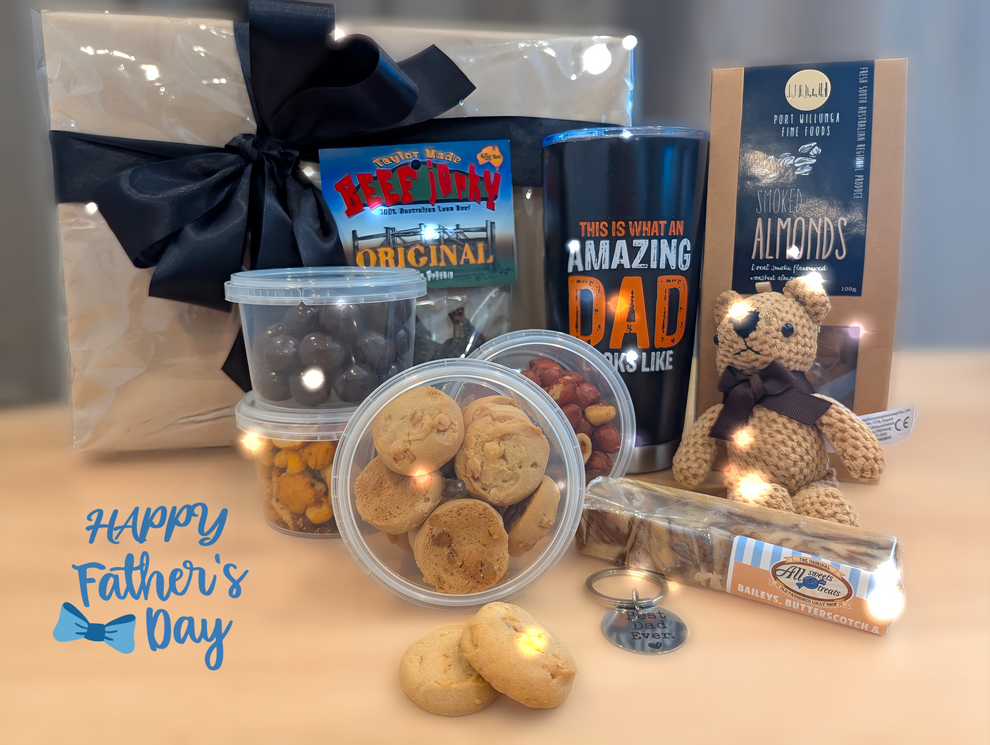
Making It Feel Like an Occasion (Without Being Overwhelming)
Finally, remember that making gourmet food gifts appealing to non-foodies is about managing expectations and maximizing delight while minimizing effort. The recipient should feel like they are opening a little box of pure happiness—a burst of color, scent, and immediate pleasure. This approach transforms the gift from an "object" into a memory enhancer.
Curating the Perfect Palate Package
As you select your items, remember to vary textures (crunchy crackers, smooth dips) and temperatures (room-temperature snacks vs. refrigerated spreads). Overloading a gift box with too many different components can be overwhelming; instead, choose Custom Gift Box a tight collection of complementary items that work together like a harmonious chord on a piano.
Do you need to worry about pairing wine, or is the recipient simply going to enjoy it with sparkling cider? Do they have time to prepare an elaborate cheese board, or do they just want to grab a cracker and spread some lovely dip on it right now? Keep these practical questions front of mind. If the answer is "right now," you've found your perfect combination.
By focusing on presentation, familiarity, and ease of consumption—rather than merely expense or complexity—you transform what might seem like an intimidating array of gourmet goods into a welcoming indulgence. You are not selling fancy food; you are gifting moments of simple, high-quality joy. Start small, focus on aesthetics, tell a story, and watch the initial skepticism melt away.