How to Minimize Waste When Assembling Reusable Gift Baskets Sustainably
Gift-giving has a wonderful way of creating temporary bursts of joy—the unwrapping, the sudden delight, the "ooh" moment. But beyond the sheer pleasure of receiving something beautiful, there's an often unacknowledged byproduct: waste. Every perfect basket filled with artisanal soaps and gourmet treats represents not just celebration, but also potential litter if we aren't thoughtful about its lifecycle. If you’ve ever felt a pang of guilt looking at perfectly good items destined for the landfill because they were just part of a beautiful arrangement, you are not alone. The desire to give joy without leaving a trail of rubbish is becoming essential to modern celebration.
The shift in focus has moved from simply "what can I buy?" to "how can I curate something beautiful that respects its future?" Learning how to approach thoughtful gifting means rethinking the entire supply chain—from sourcing materials to planning for their eventual use. This guide dives into practical, actionable strategies for minimizing waste when assembling reusable gift baskets, transforming a temporary display of wealth into a lasting commitment to sustainability.
Rethinking the Basket: From Container to Keepsake
The first place to confront waste is right at the start: the basket itself and its structural elements. Most people assume they need to buy a brand-new, wicker container for an occasion that will last only a week or two. But what if the foundation of your gift was always meant to be part of the life cycle?
Instead of purchasing new materials, become a master upcycler. Look around your home and within your community—thrift shops, local farmer's markets, even friends’ garage sales are goldmines. A sturdy wooden crate, an old laundry basket, or even a beautiful woven placemat can serve as the perfect vessel, giving it a second life before its first gift is even assembled.
Selecting Sustainable Foundations
When you do need to purchase new items, always prioritize those built for durability and repair. Think about materials that are locally sourced, renewable, and designed with disassembly in mind. This means choosing natural fibers over plastics, and opting for simple, solid structures rather than complex, glued assemblies.
Curating Contents with a Circular Economy Mindset
The contents of the basket—the soaps, snacks, candles—are often where the most "waste" accumulates. We tend to fill baskets with things that come pre-packaged in plastic clam shells or single-use wrapping. This is where we need to make a conscious pivot toward hyper-local and bulk solutions.
A great way to practice this is by Special Occasion Gifts focusing on items sold by weight or volume. For instance, instead of buying three small bars of soap wrapped individually, source one large, beautiful artisan loaf that can be sliced into smaller portions for the basket. Similarly, snacks should come in reusable glass jars or biodegradable packaging.
I once helped a friend assemble a "local harvest" basket using materials from her family’s garden surplus—we used dried herbs she had intended to compost and small jars of homemade jam. The resulting arrangement was stunning, smelled incredible, and generated zero waste beyond the inevitable crumbs! It proved that abundance doesn't require new packaging.
Are you willing to let go of the convenience of plastic wrapping for the sheer beauty of a raw product? This mindset change is the most powerful tool in minimizing waste when assembling reusable gift baskets.

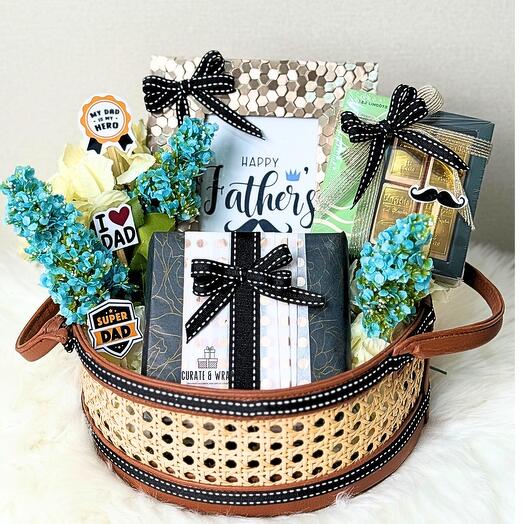
Practical Tips for Zero-Waste Presentation and Filler
The filler materials are often overlooked, yet they can make or break the sustainability profile of an entire gift. We’re talking about the crinkle paper, the shredded excelsior, the decorative cellophane—all potential landfill fodder.
Instead of buying specialty filler material, think naturally:
- Dried botanicals: Fallen leaves (that you collect and dry), cedar shavings (from a woodworker friend), or dried lavender. These add incredible scent and texture while being completely natural.
- Coir/Hay: If appropriate for the aesthetic, using shredded coconut husk fiber is excellent, biodegradable filler.
- Fabric scraps: Use small pieces of linen or muslin fabric—leftover from sewing projects—to cradle items. This elevates the look while keeping everything compostable.
It’s like an artist choosing colors: every element must contribute both beauty and function. Remember that even a little bit of planning can make all the difference in minimizing waste when assembling reusable gift baskets.
As the renowned sustainability advocate William McDonough wisely stated, "Waste is not something to be disposed of; it is simply a resource in the wrong place." This quote should serve as our guiding mantra. If you see an item that looks like trash but has potential (a sturdy cardboard box, a smooth river stone), ask yourself: what could this be?
Designing for Life After the Gift
The true measure of success when assembling these baskets isn't how beautiful they look on gift day; it’s what happens to them six months later. To truly minimize waste when assembling reusable gift baskets, you must intentionally design a "life after."
This means that every component should be highlighted as having secondary use:
- The candle: Isn't just for scenting the moment, but for being used in a centerpiece or placed on a bedside table.
- The artisan soap: Should be presented not just as a gift, but with instructions on how to make it last (e.g., "use this stone tray to keep your soaps from drying out").
- The little book of poetry: Is meant to be read and kept, making its physical existence integral to the experience.
How much effort do we put into the 'unwrapping' moment versus the long-term value? By focusing on utility, you make the gift more valuable—and less wasteful.
Cultivating a Gift Culture That Gives Back
The goal of sustainable gifting should be to elevate the act of giving itself, making it an educational and beautiful process rather than just a transactional exchange. Consider hosting a "Swap & Skill" day instead of buying outright gifts. Friends can bring items they no longer use but still function beautifully—a gourmet spice jar, a lovely scented candle, etc.—and you assemble the basket from these communal resources.
By making sustainability part of your gifting ritual, you are contributing to a circular economy right in Whisky Lover your home. Start small: commit to using one upcycled element for your next three baskets. Over time, this dedication transforms into a powerful cultural shift that respects both beauty and planet alike. What sustainable gift ideas will you champion next?